3 days of training
with direct instructor feedback throughout.
The MIGZ education programme covers the full GESEA curriculum across three modules—LASTT, SUTT and HYSTT—and two certification levels. Whether you are mid-residency or already in practice, every course is designed to close the gap between where your training stopped and where your skills need to be.
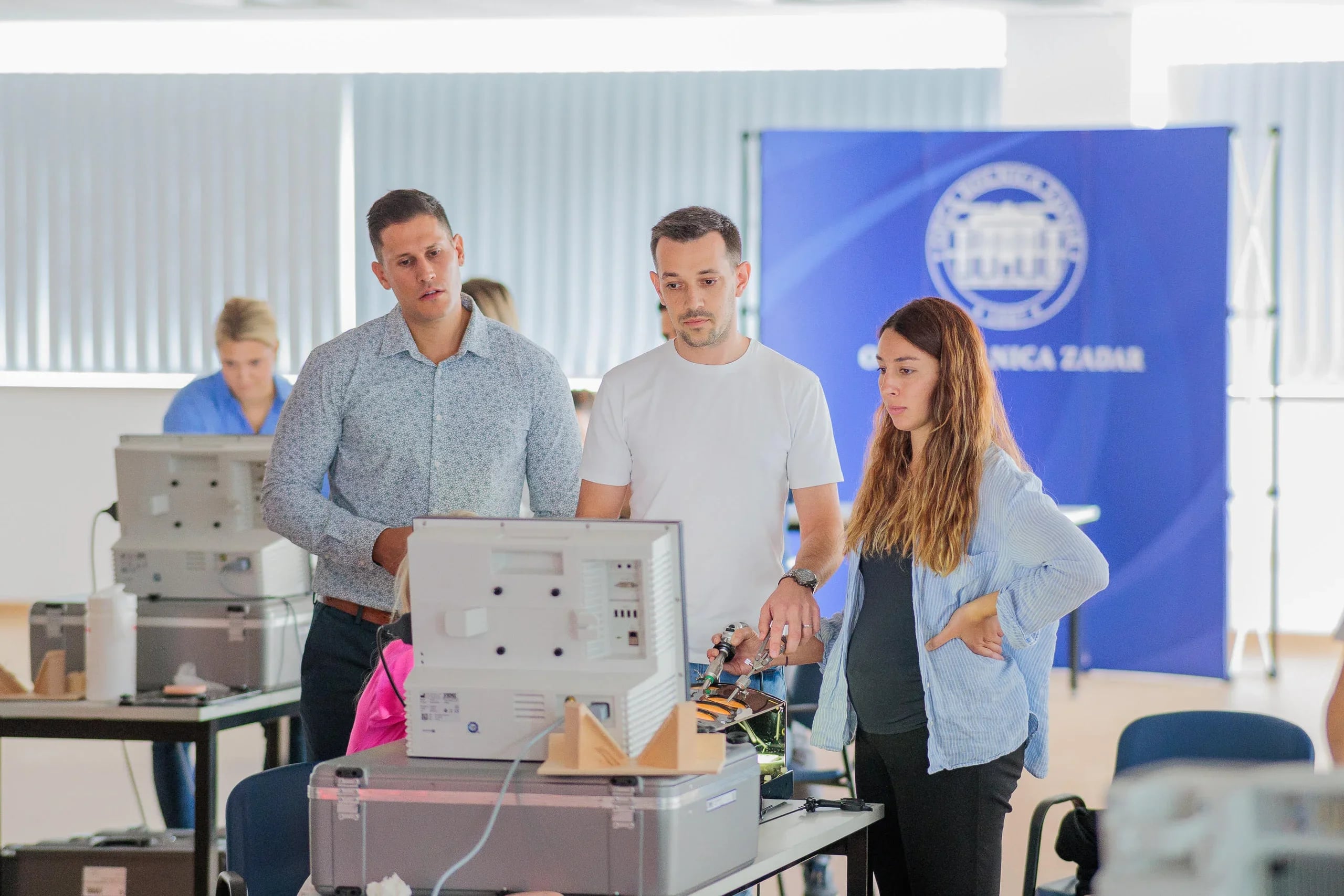
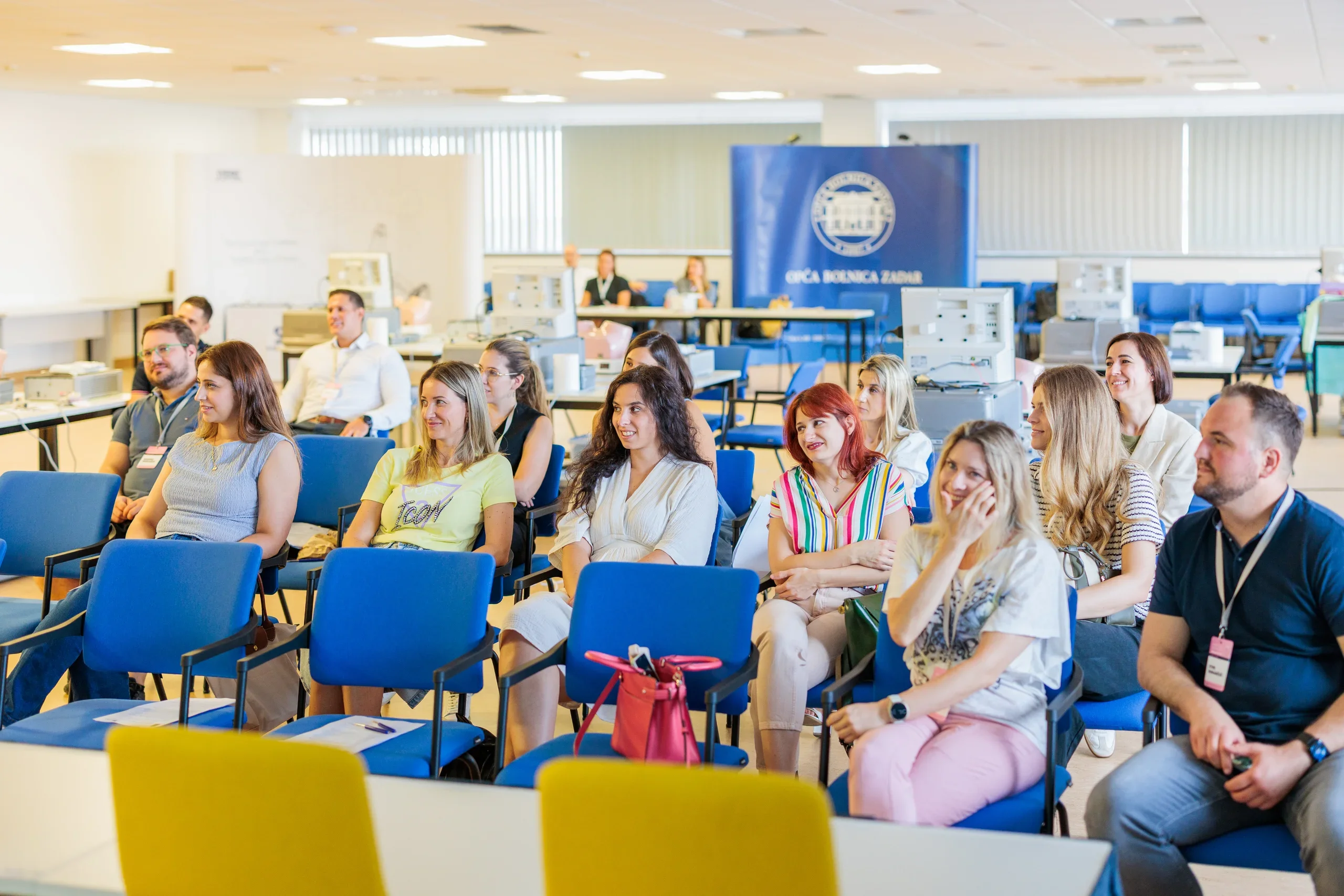
Small group. Professional equipment. World-class instructors.
with direct instructor feedback throughout.

Each course brings in international faculty at the top of the field

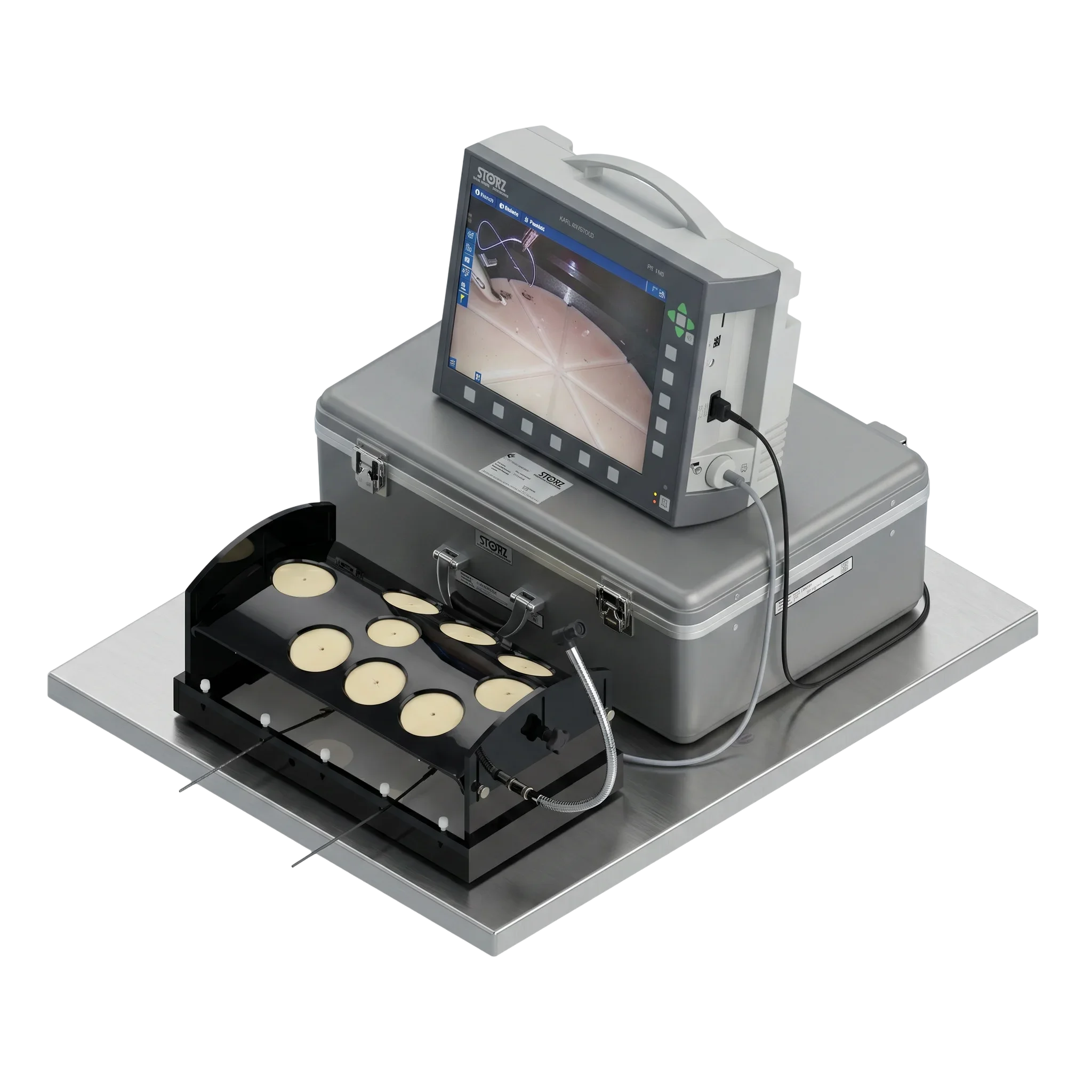
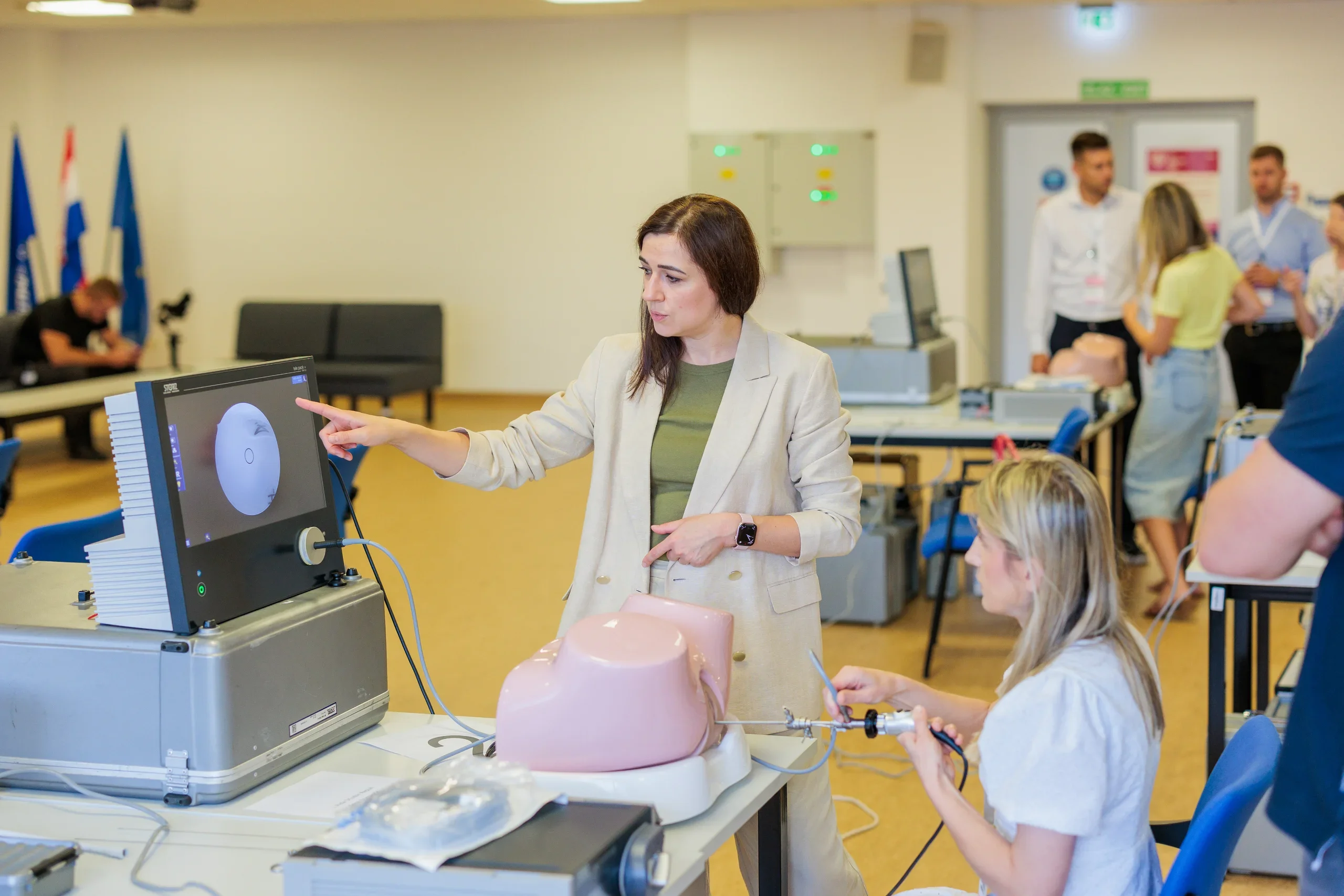
Karl Storz professional simulator stations

More participants means less simulator time and attention

Every course ends with standardised GESEA assessments

A 3,000-year-old UNESCO city on the Adriatic coast.
Every skill taught at MIGZ follows the same principle: simulate, assess, certify. No shortcuts, no assumptions, no learning on the patient.
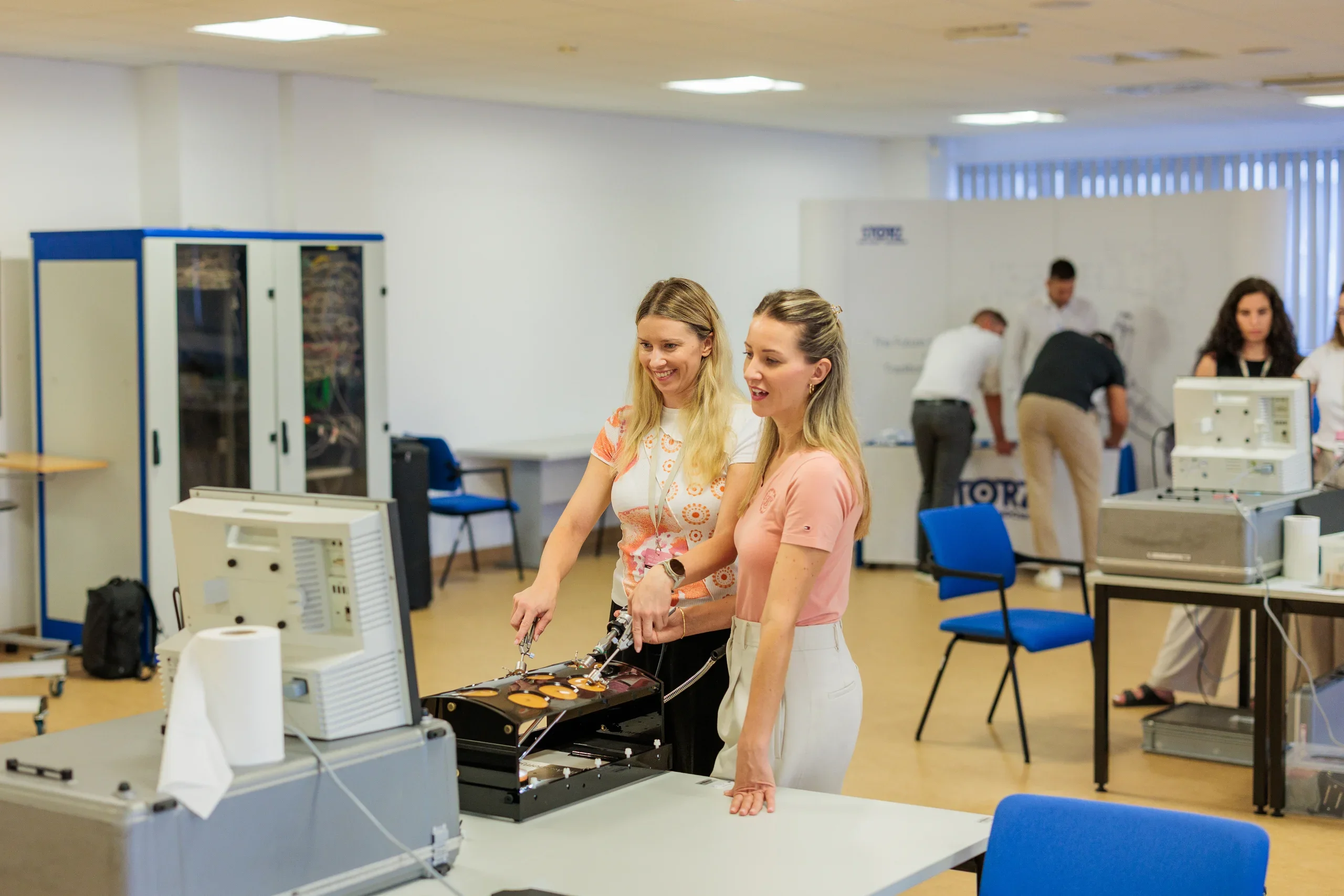
Every technique is practised in a controlled dry lab before it is performed in the operating room. That is not optional — it is the standard. The simulator exists so the learning curve never happens on a patient.
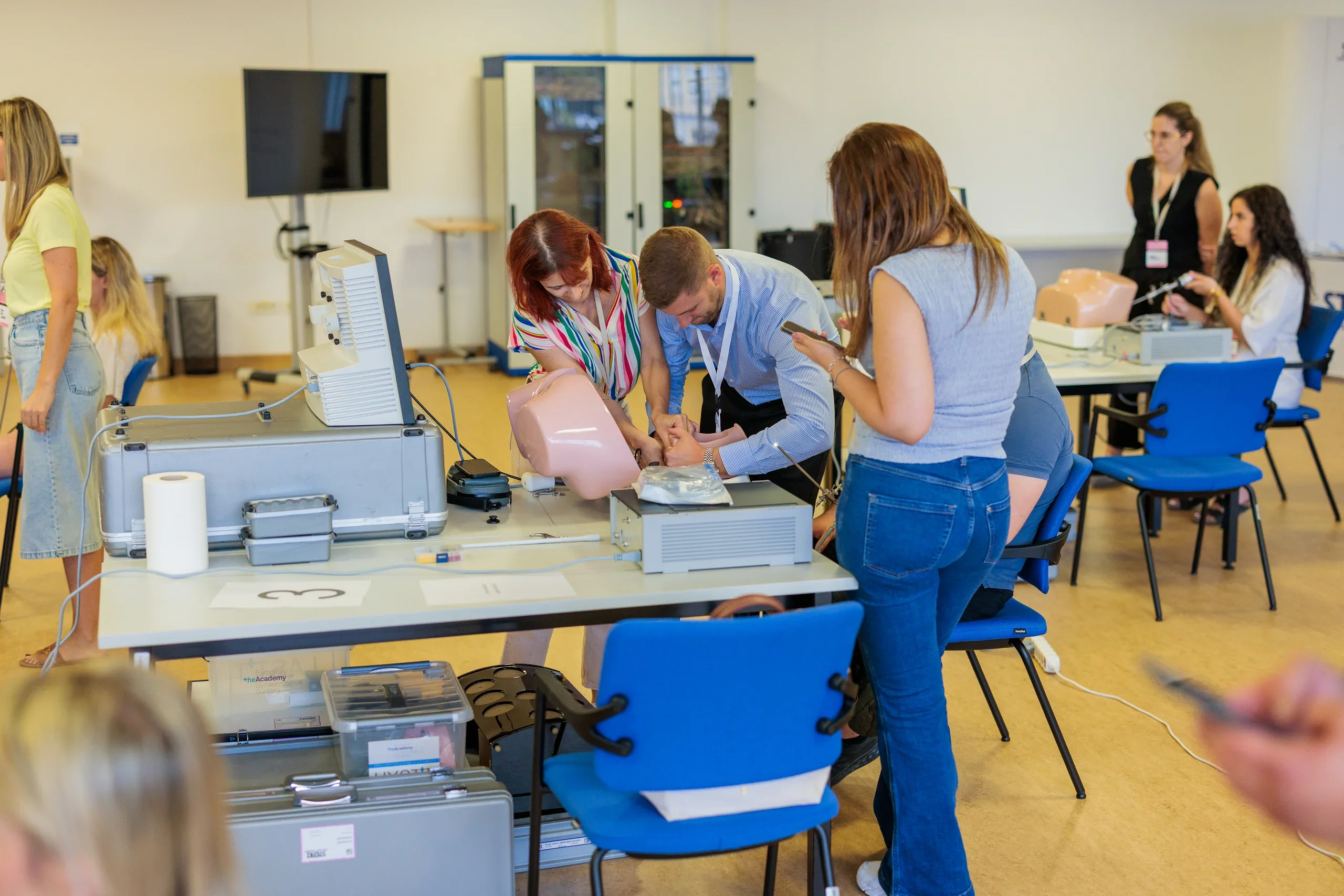
Try new techniques, push your limits and fail safely. The simulator is exactly where the learning curve belongs. Repetition here means confidence there.
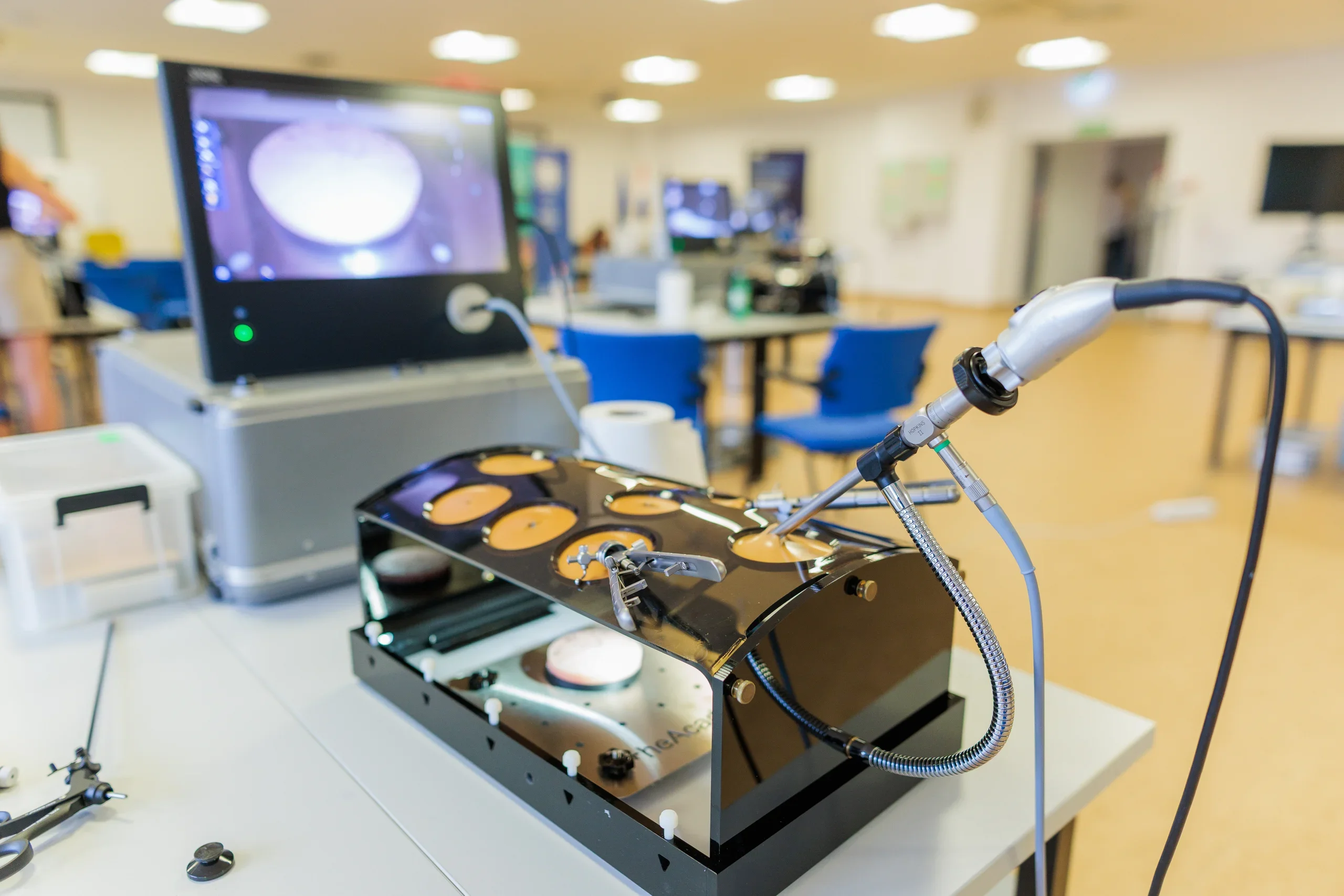
The infrastructure most hospitals and individual surgeons simply cannot access. Two dedicated stations with the exact instruments used in real laparoscopic surgery. Available here exclusively for unlimited training time.
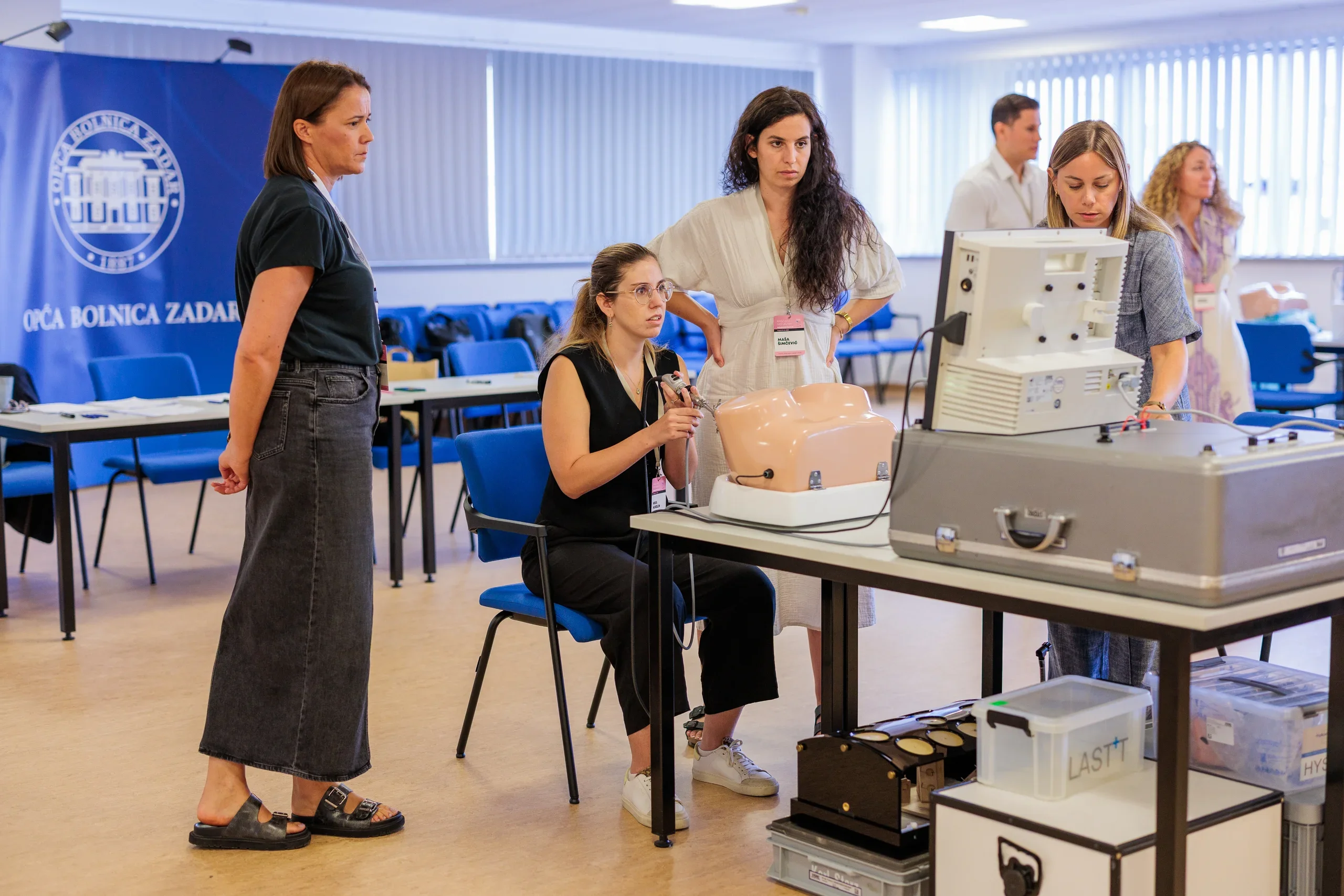
Objective validation through internationally recognised exams: LASTT, SUTT and HYSTT. Competence that can be measured, not assumed. The same assessment standard used across all 29 GESEA centres worldwide.
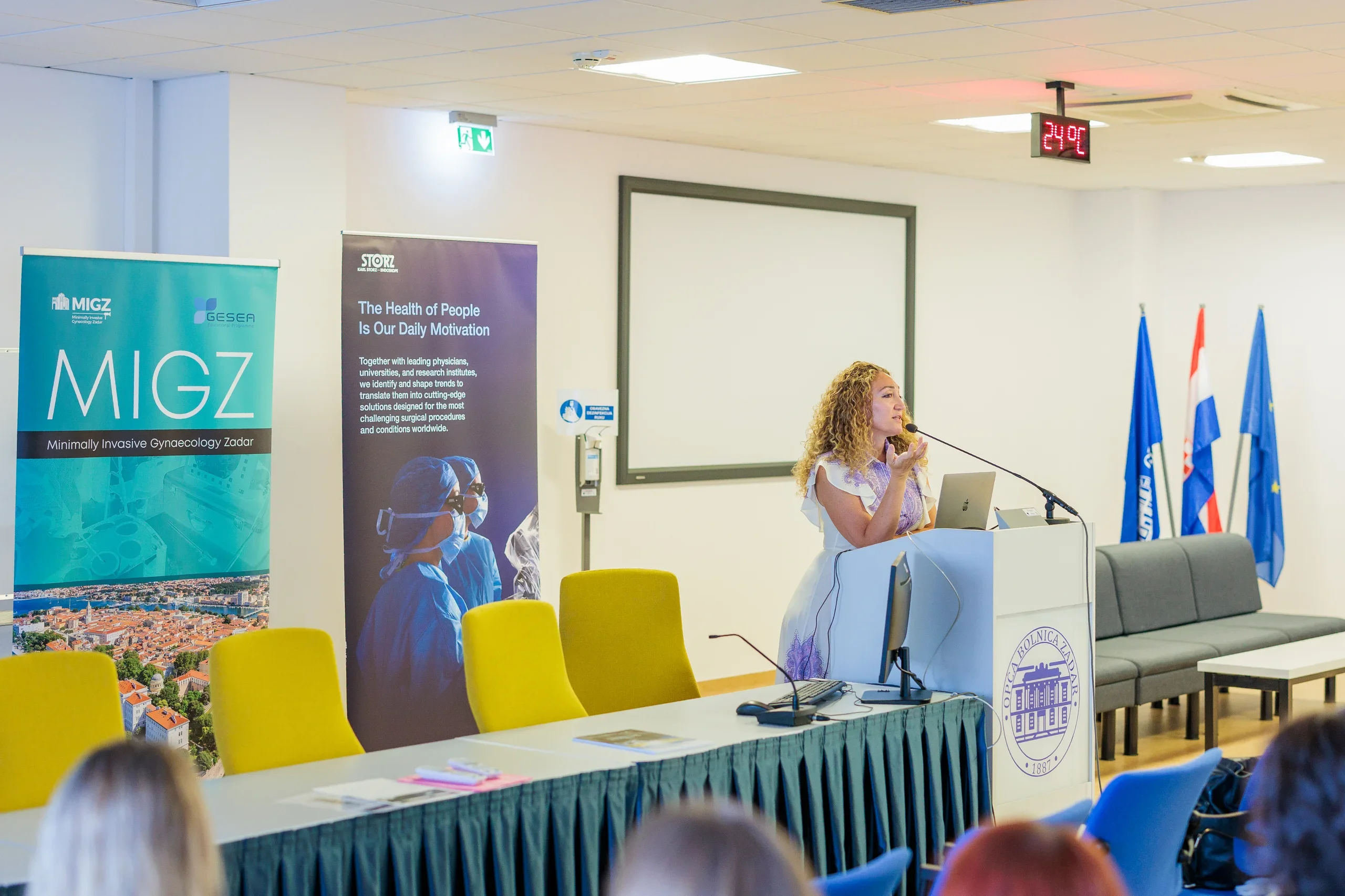
Walk away with a certificate recognised across the world. Issued by ESGE, the European Society for Gynaecological Endoscopy. Lasting evidence of skill that follows you throughout your career, anywhere.
Three intensive days covering the full GESEA curriculum plus advanced techniques beyond the standard framework.
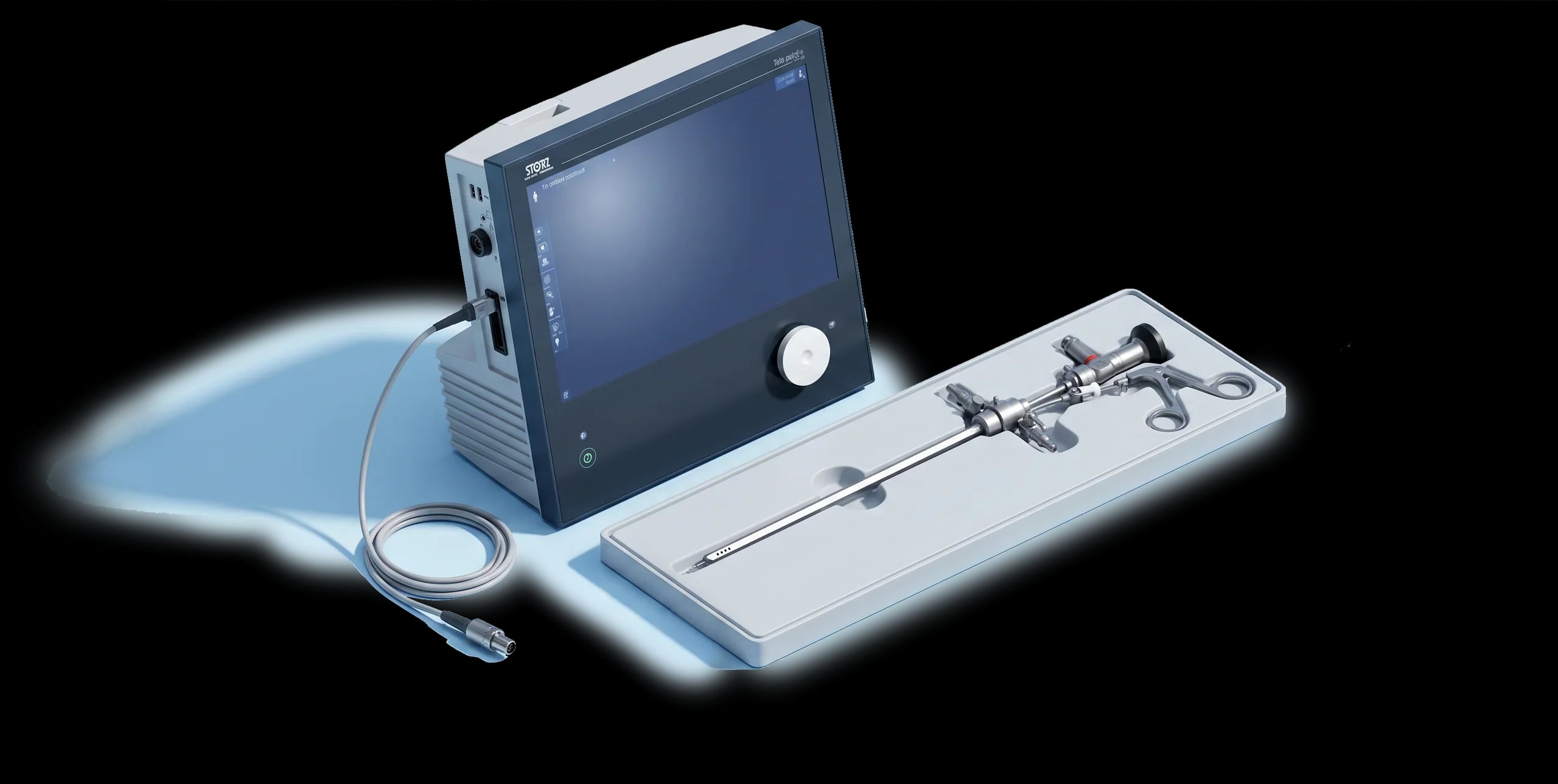
For decades, uterine pathology was treated with curettage: blind, blunt and requiring general anaesthesia. The 5mm office hysteroscope replaced all of that. It delivers light, saline distension and instrument access through a single slim telescope, with no general anaesthesia needed and significantly fewer complications. The new IBS (Intrauterine Bigatti Shaver) technique combines mechanical tissue resection with continuous visualisation, reduces the risk of uterine perforation and minimises trauma to surrounding tissue. MIGZ is the first centre in Croatia to adopt and teach it.
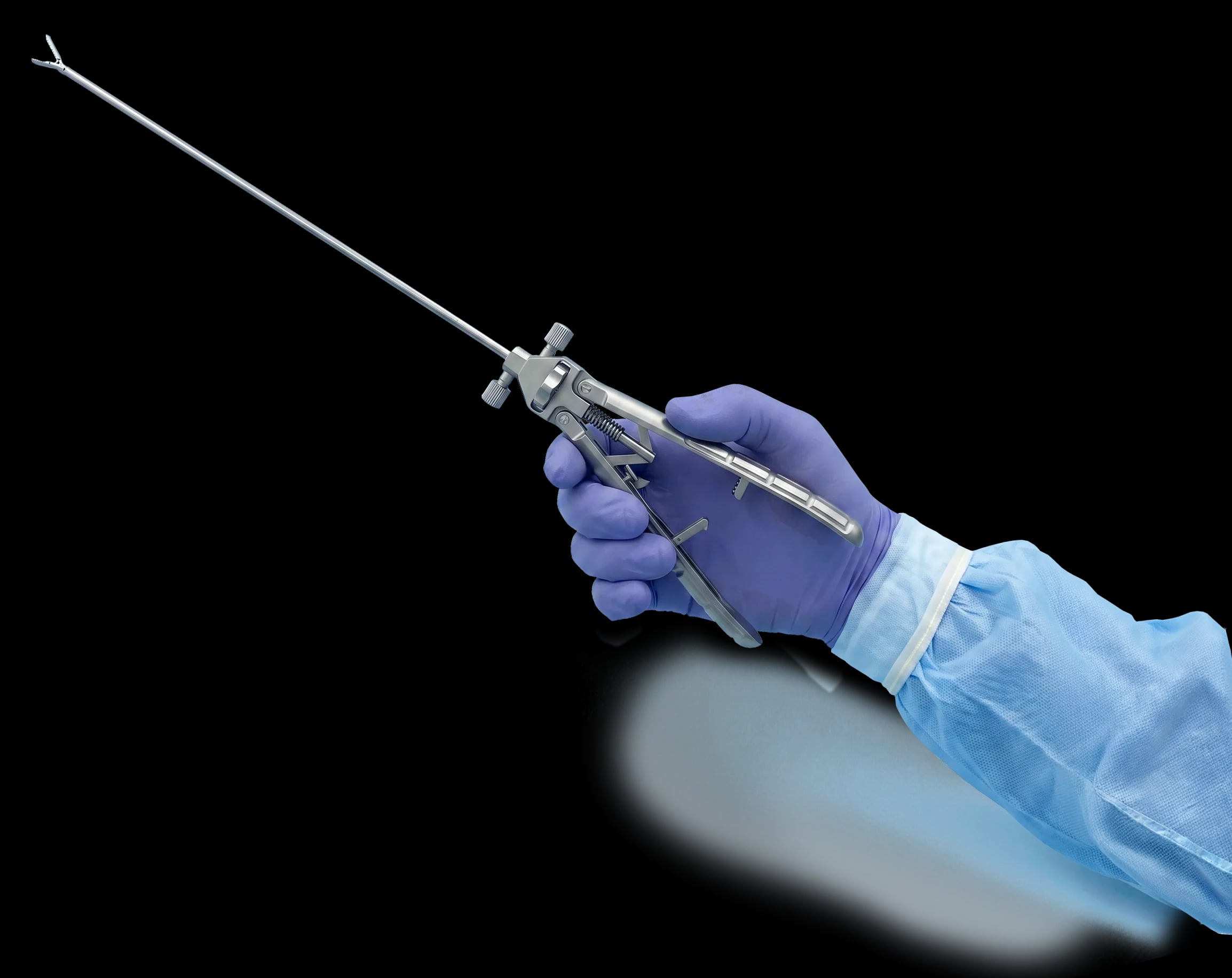
Operating through a 2D screen with instruments 33cm long, where a millimetre movement of the hand creates a large deviation at the operative tip. Spatial reasoning and hand-eye coordination cannot be assumed in this environment. They have to be built on a simulator, session after session, until the disconnect between hand and instrument disappears entirely. That is precisely what this module trains and what the LASTT standardised assessment measures objectively.
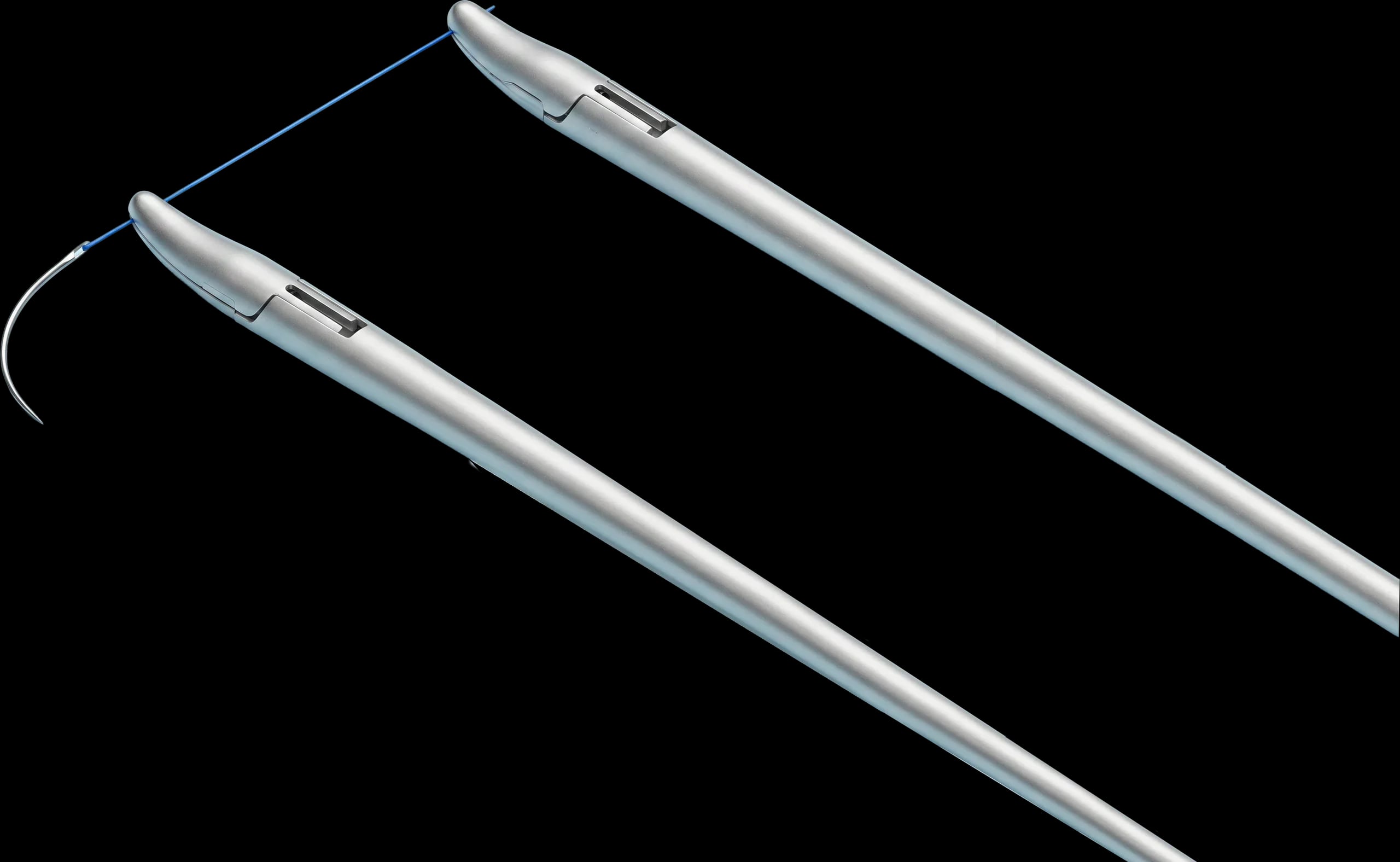
Fewer than twenty gynaecologists in Croatia suture laparoscopically on a routine basis. The skill demands everything the endoscopic approach makes difficult: confined space, limited range of motion and precise knot tension under magnification. At MIGZ this module is taught personally by dr. Istvan Argay, one of the world's foremost authorities on laparoscopic suturing technique. Assessed and certified via the SUTT standardised exam.
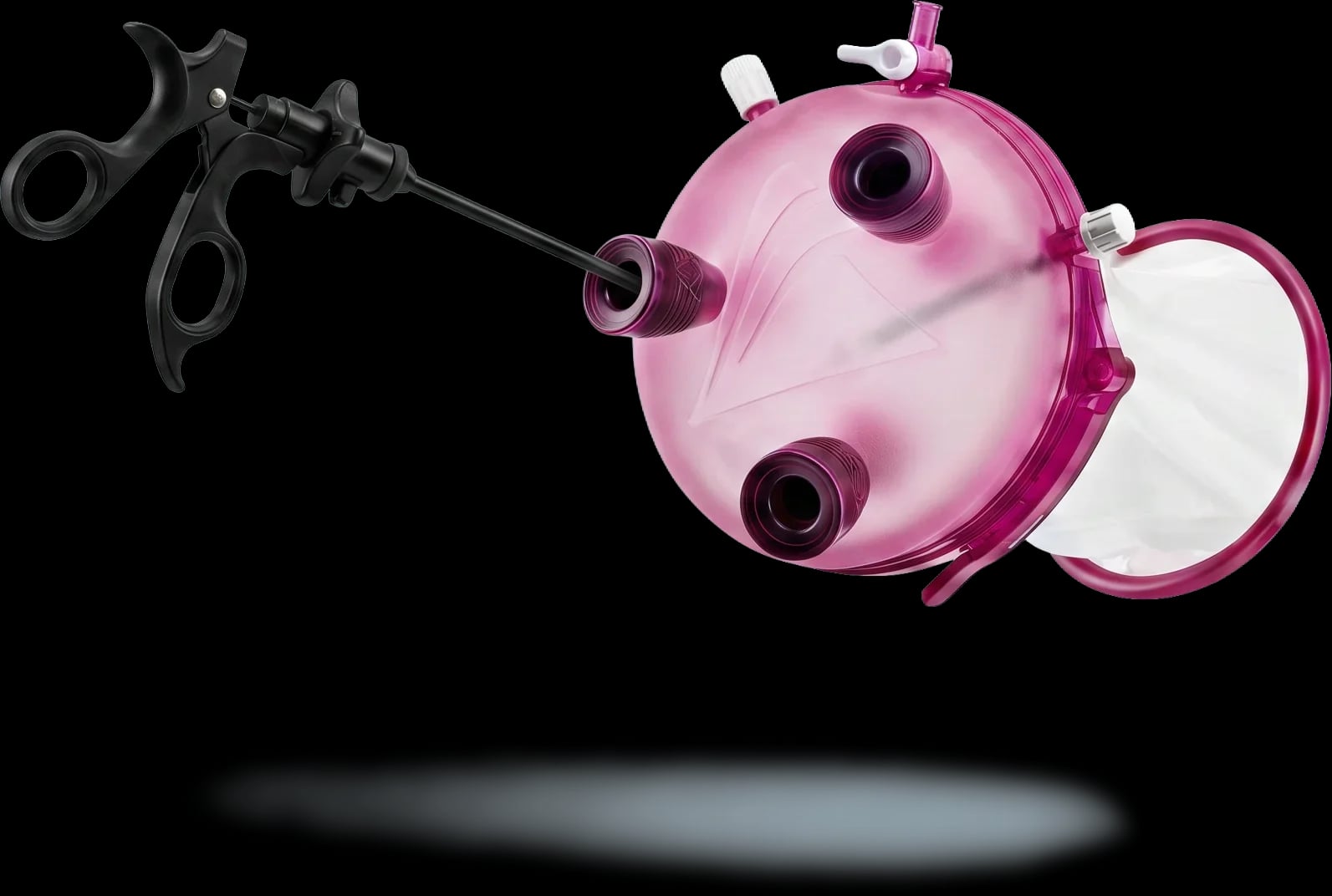
A discipline that goes beyond the standard GESEA curriculum and one MIGZ is the first centre in Croatia to formally teach. V-Notes surgery approaches the operative field through natural orifices, leaving no abdominal incisions at all, faster recovery, no visible scars, and significantly less post-operative pain for the patient.

The Caesarean section module covers new knot techniques and closure strategies that reduce long-term complications such as uterine scar dehiscence, niche formation and adhesions. Beyond standard practice, surgeons learn evidence-based methods that minimise post-operative pain and improve outcomes in future pregnancies. Advanced workshops designed for surgeons who have completed the core programme and want to refine the most common procedure in obstetric surgery.
Three progressive levels, each assessed before the next begins.
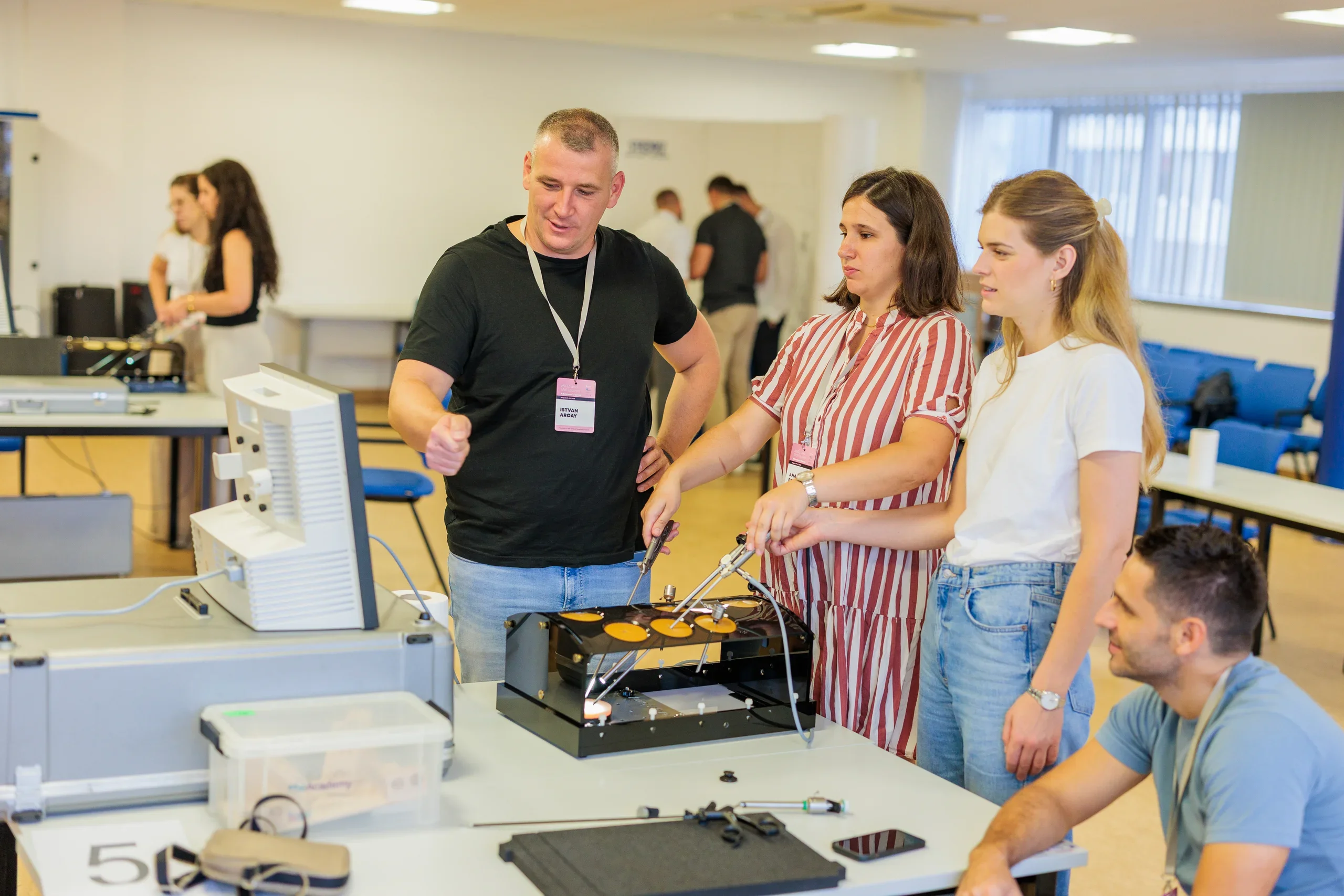
Theoretical knowledge is assessed through TESTT1, a multiple-choice exam covering instrumentation, OR organisation, anatomy and complication management. Practical skills are validated across three standardised tests: LASTT1 for laparoscopic instrument handling, SUTT1 for basic stitching and knotting, and HYSTT1 for hysteroscopic handling. Completing Level 1 is the mandatory prerequisite for progressing to Level 2 and is considered the minimum standard before any one-to-one OR training begins.
Level 2 represents the transition from foundational skills to the advanced psychomotor competence required for performing basic endoscopic procedures in the operating room. Prerequisites include completion of the Level 1 Certificate and the Level 2 MIGS e-learning programme on ESGE Academy. The certification session mirrors Level 1 in structure but at a higher standard: TESTT2 contains 100 multiple-choice questions, with LASTT2, SUTT2 and HYSTT2 as the practical assessments.
The GESEA certification is awarded only after passing all four assessments: TESTT (theoretical exam, 50 questions), LASTT (laparoscopic navigation), SUTT (suturing) and HYSTT (hysteroscopy). Each component is graded against the same European standard applied at every GESEA centre in the world. Attendance alone is never enough.
The founders operate weekly. The guest faculty are world authorities. The combination is what sets MIGZ apart.
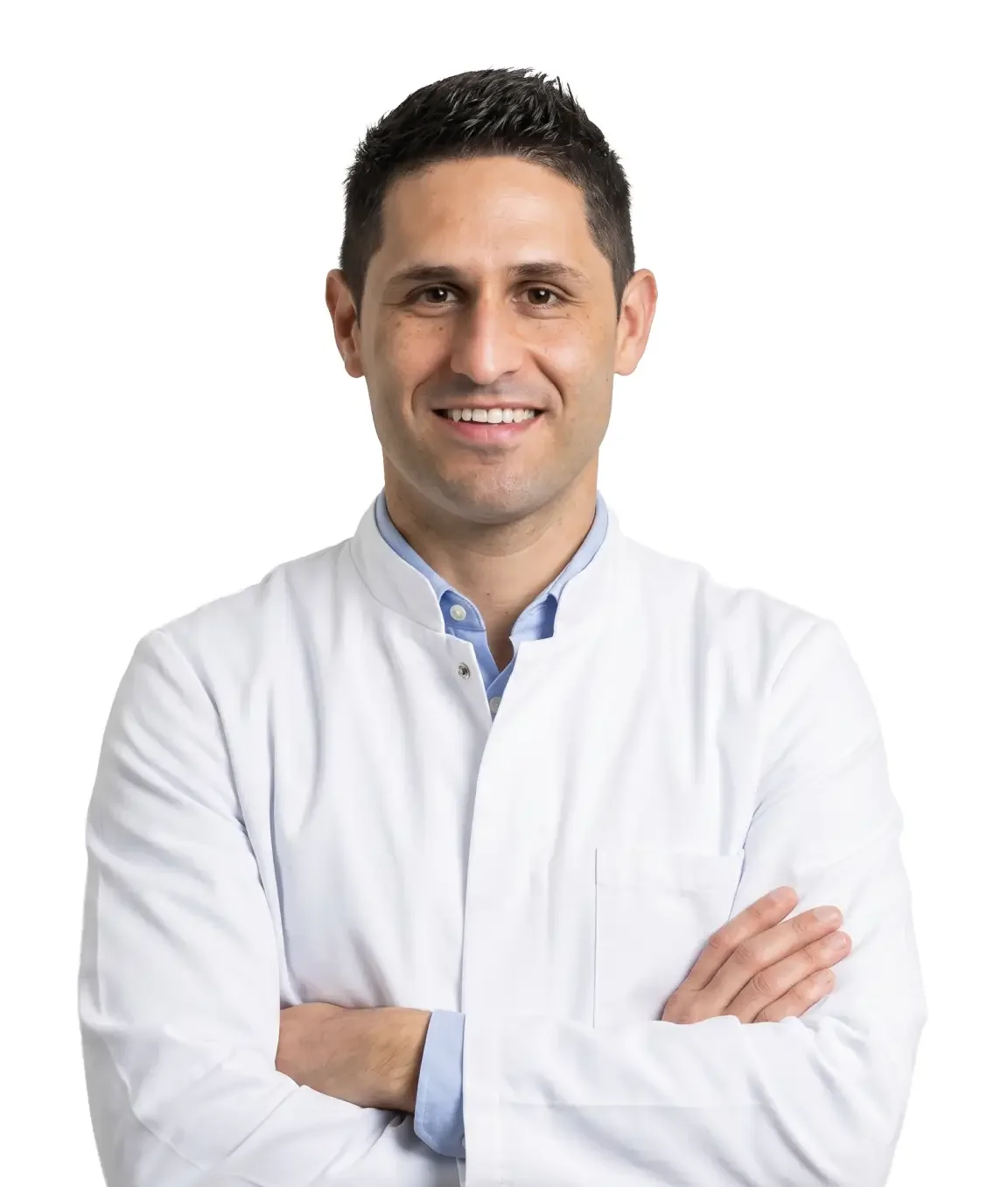
Director of MIGZ and former head of the gynaecological operating block at Zadar General Hospital.
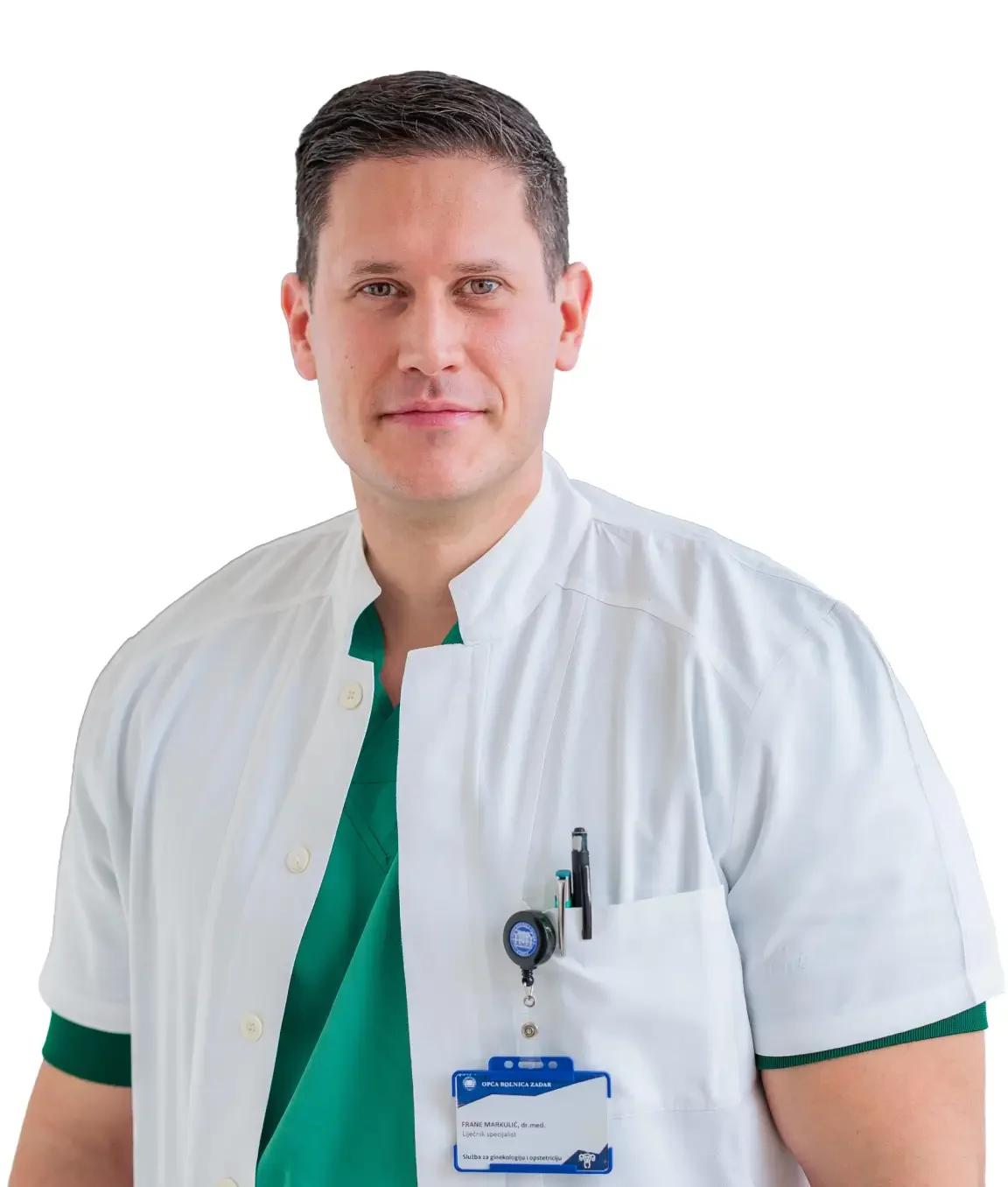
Chief mentor and education director, responsible for the structure and delivery of every course at MIGZ.
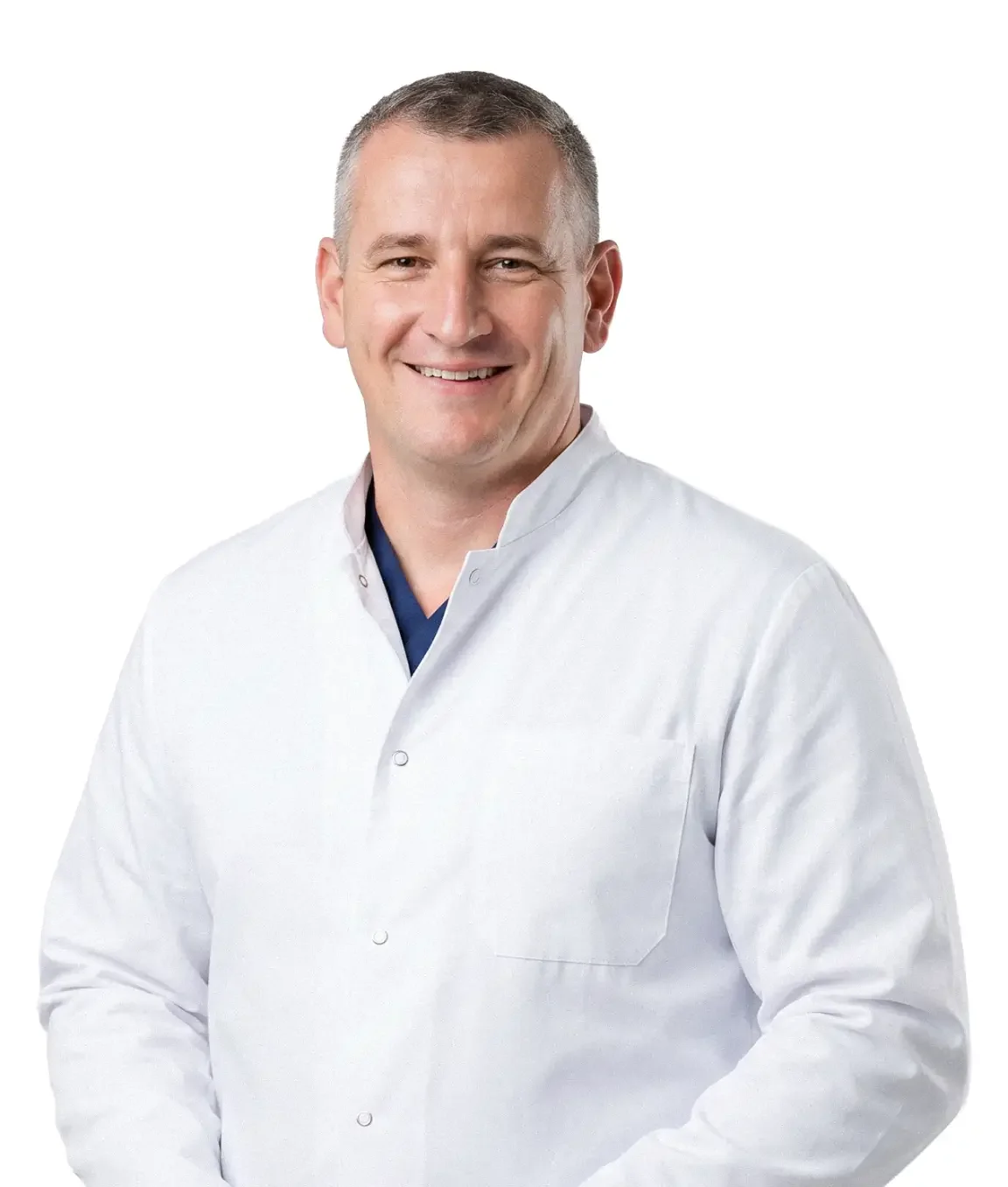
One of the world's leading authorities on laparoscopic suturing and coordinator of the GESEA4EU centre expansion project across Europe.
Three approaches to the same operation. Measurably different outcomes for the patient. The data is unambiguous.

Whether you are starting from scratch or ready to sit the exam, MIGZ has the format for you.
€1000.00
What is included:
 3 days of hands-on simulation trainingFull GESEA curriculumTESTT, LASTT, SUTT and HYSTT examsESGE certificate upon passing all componentsKarl Storz professional simulator stationsMaximum 12 participants per course
€450.00
Features:
1-day standardised exam sessionAll 4 GESEA assessment componentsESGE certificate upon passingFor candidates with prior MIGS training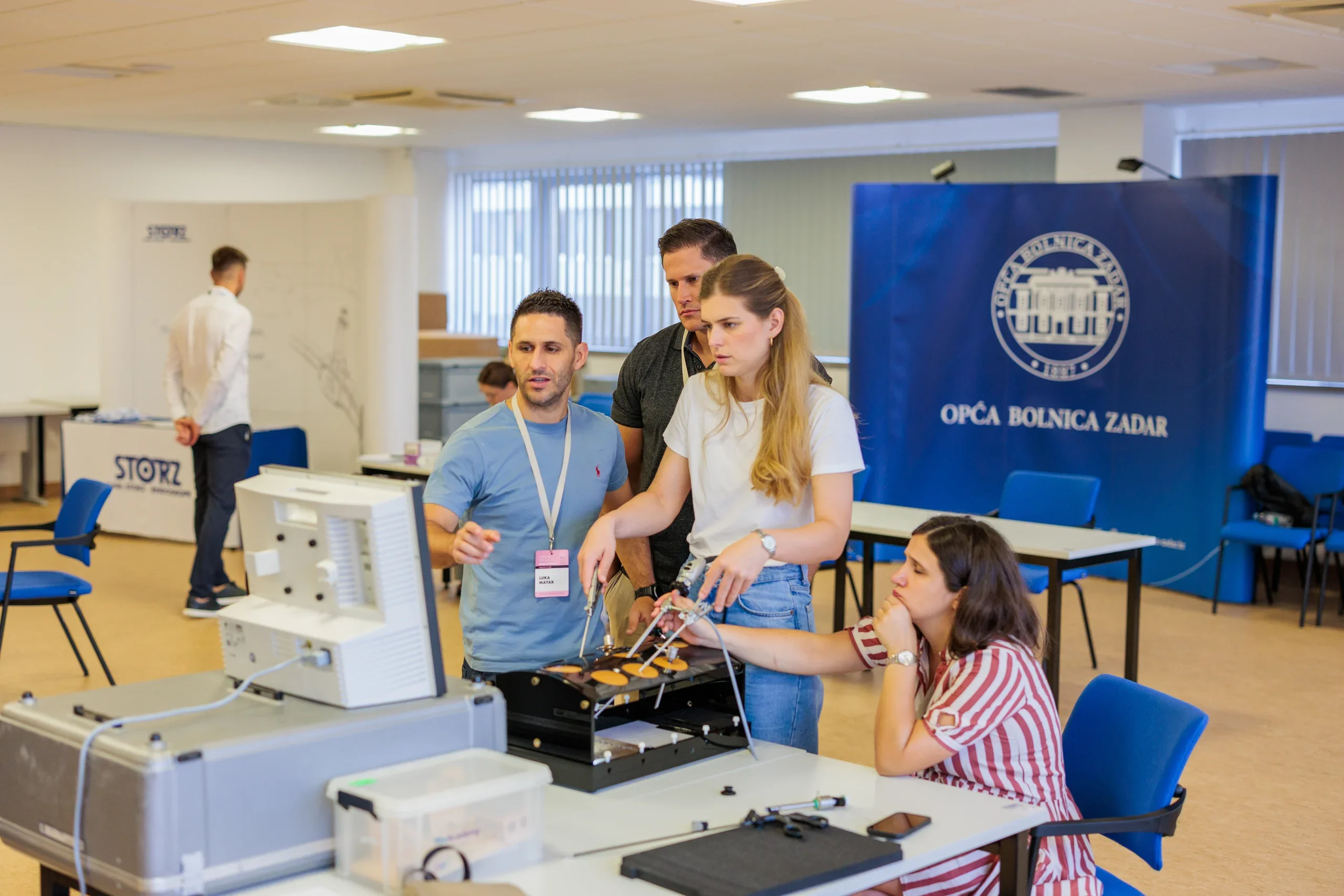
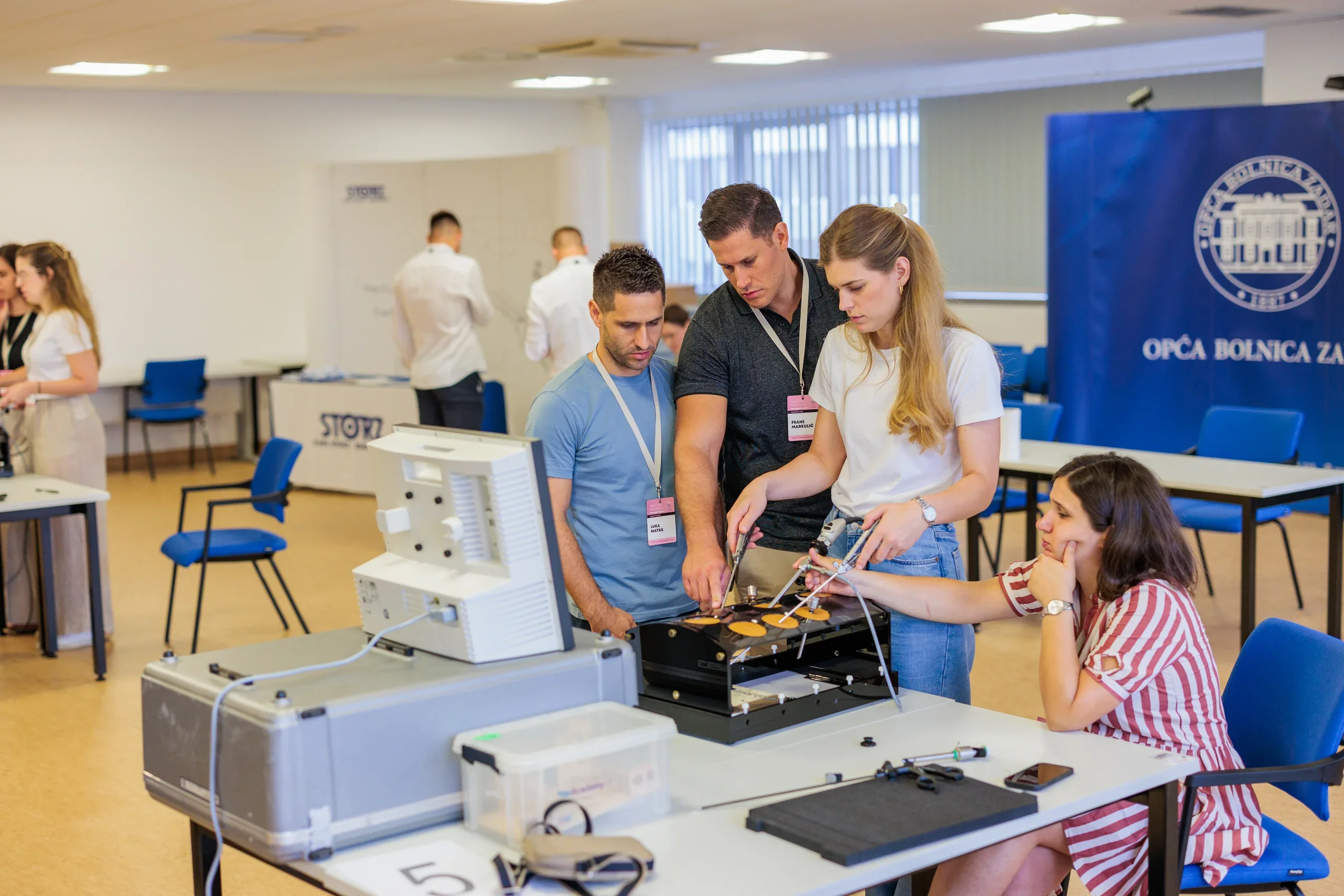
Karl Storz GESEA training stations, each built around the TELE PACK+ endoscopic video unit with Full HD imaging—the same equipment used in operating rooms worldwide. The infrastructure most surgeons will never have individual access to. At €30,000 per station, it exists at MIGZ so the learning happens here, not in the OR.

Twelve seats. World-class faculty. Real skills that follow you into every operation you'll ever perform.